Foundation Leveling
Foundation Leveling for Seguin Homes
Uneven floors or visible settlement can be signs worth investigating. Get a Free Estimate
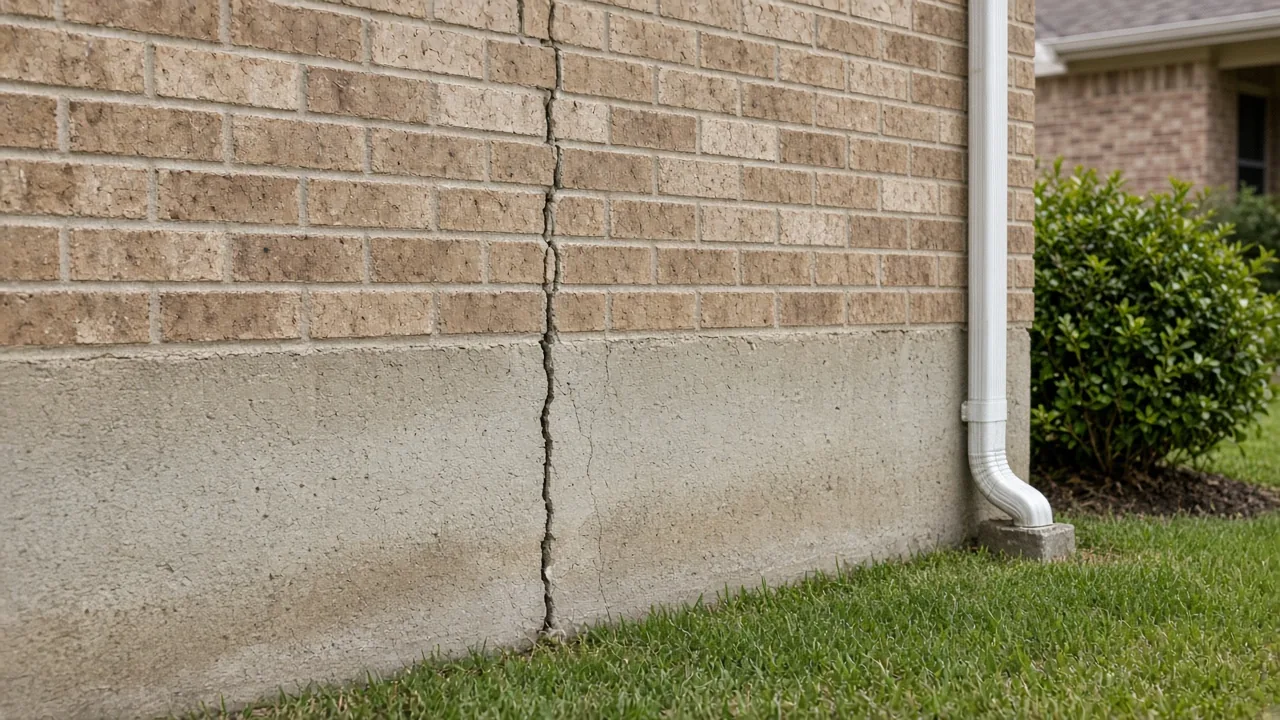
When a foundation is no longer sitting at a consistent elevation, homeowners may notice sloping floors, doors that stick, cracks, or gaps around parts of the structure. Foundation leveling addresses structural elevation concerns by correcting movement according to the condition of the property. Learn more about foundation repair Seguin TX and how we help local homeowners.
The right approach depends on the type of foundation and the extent of the movement. We help homeowners understand what has changed and what a leveling project is intended to accomplish.
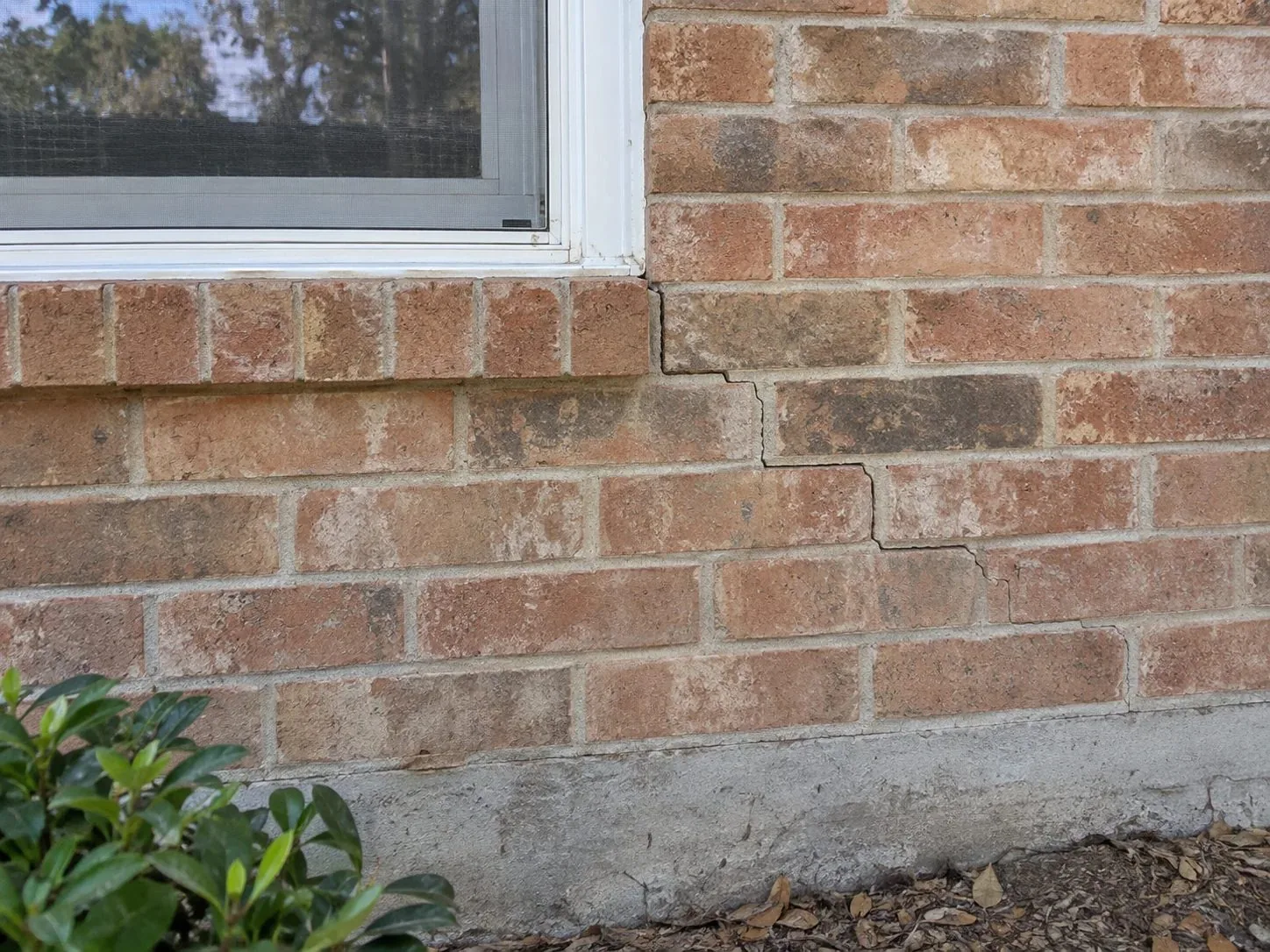
Leveling is not simply about making a floor feel even. It is about addressing changes in the foundation's position and creating a practical structural solution.
Sloping or uneven floors can be a visible sign of foundation movement. The pattern can help identify where attention may be needed.
Changes in foundation elevation can affect walls, floors, doors, and other parts of a home.
When settlement has changed the position of part of a foundation, leveling may be considered as part of the repair plan.
| Service | Estimated Cost | Average |
|---|---|---|
| Foundation leveling | Varies by project | No fixed average |
| Uneven foundation correction | Varies by project | No fixed average |
| Settlement-related leveling | Varies by project | No fixed average |
Leveling costs vary according to foundation type, amount of movement, site access, and repair method. Project-specific conditions determine the actual scope.
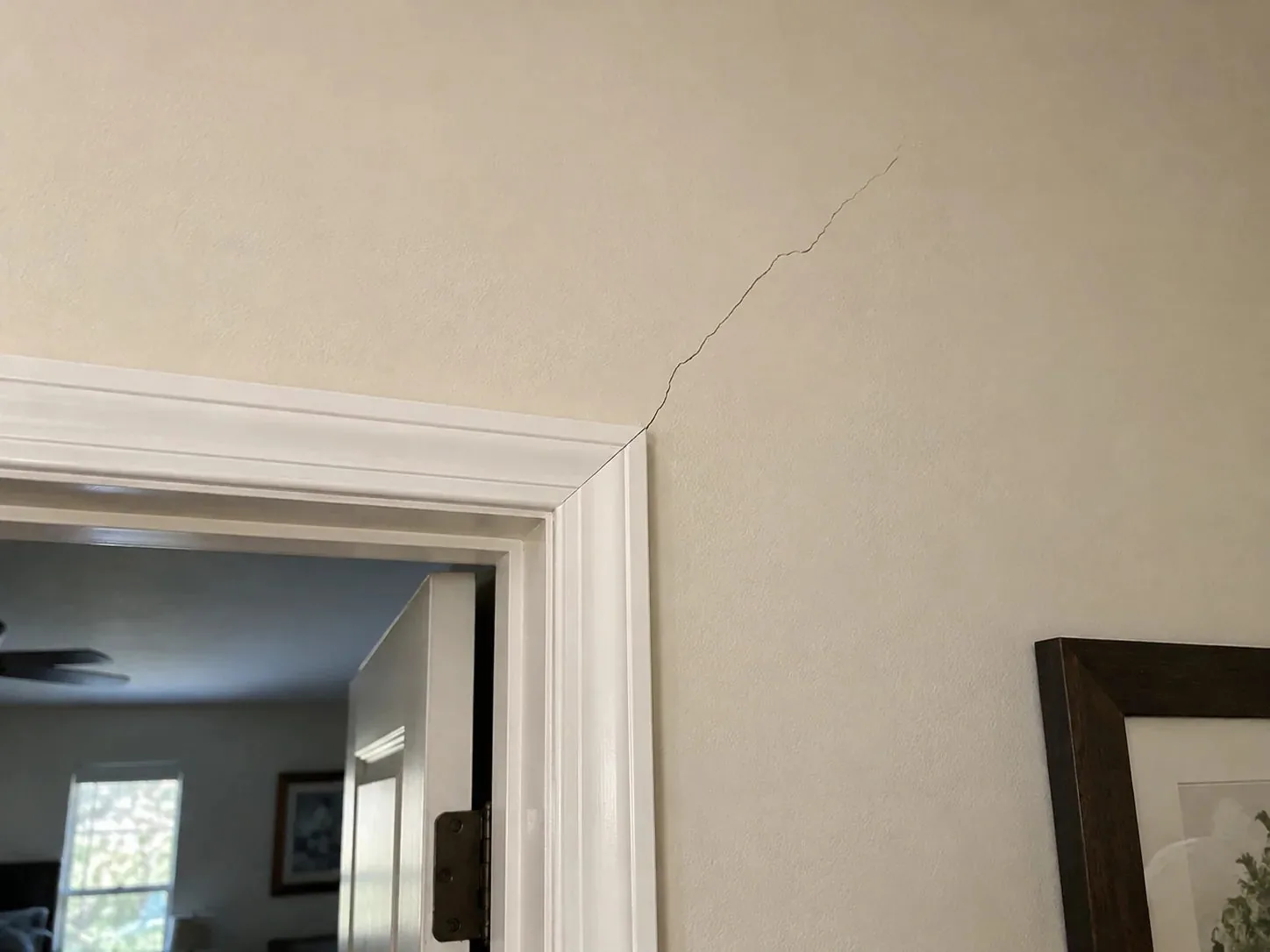
An uneven floor is a symptom, so we focus on understanding the foundation condition behind the elevation change.
We keep the repair discussion focused on what the home needs rather than suggesting unnecessary work.
We explain what the proposed leveling work is designed to do before you decide how to proceed.
If your home feels uneven or you have noticed new changes, reach out before guessing at the cause.
Free — no obligations

We start with the uneven areas, cracks, sticking doors, and other symptoms you have noticed.
The foundation type and pattern of movement help determine what leveling approach may be appropriate.
We explain the recommended approach and how it relates to the observed movement.
Once the repair is understood, we can discuss how to move forward.
Foundation leveling addresses a foundation that is no longer sitting at a consistent elevation. It is not just about making a floor feel flat. It is about correcting the position of the foundation in a way the structure can tolerate and keeping it supported afterward.
When part of a foundation drops or heaves, the home above it has to absorb that change. Walls rack, doors bind, and floors develop a noticeable slope. Leveling is the work of bringing the affected areas back toward their intended elevation so the structure carries its weight more evenly again. It is often part of a larger repair plan that also includes settlement repair, pier installation, or pier and beam work.
The leveling approach depends heavily on the type of foundation. On a slab home, leveling usually involves supporting the settled areas from below and carefully raising them. On a pier and beam home, leveling can involve adjusting or adding supports, shimming, or correcting beams so the floor system sits evenly again. Each method has limits, and part of a good evaluation is explaining how much correction is realistic for the specific house.
A house that has been out of level for years has adjusted to that position. Raising it too quickly or too far can create new stress in walls, finishes, and plumbing. A careful leveling plan considers how the home has moved, what can safely be corrected, and how the foundation will be supported once the work is complete. That is why we explain the expected outcome before any work begins, including what leveling is and is not likely to fix.
Leveling corrects elevation, but it does not change the soil. If moisture, drainage, or poorly supported areas caused the movement, those conditions need attention too, or the foundation can move again. We look at the whole picture so the leveling work has the best chance of lasting.
Leveling is often combined with other services on this page. A settled corner may need piers before it can be raised, and a pier and beam home may need new supports before the floor can be brought back to level. We explain how the pieces fit together so you understand the full scope, not just one step of it.
Uneven floors can have more than one cause, and not every slope needs major work. We will tell you what we see, how it relates to the foundation, and what a leveling project would be intended to accomplish. Read more on our foundation leveling page, or request a free estimate.