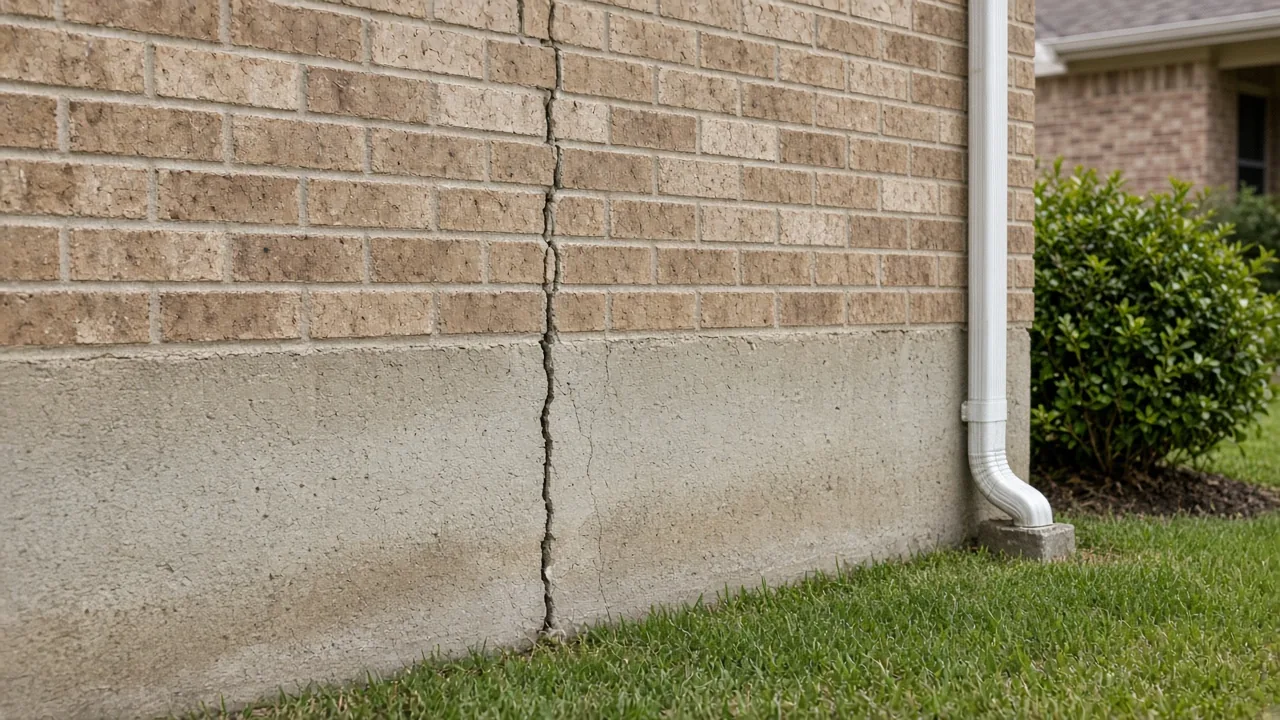
Foundation Pier Installation
Foundation Pier Installation in Seguin
Need additional foundation support? Start by discussing the condition of your home. Get a Free Estimate
Foundation piers can be part of a repair strategy when a structure needs additional support or stabilization. The appropriate pier system depends on the foundation, soil conditions, structural needs, and location of the problem.
We approach pier installation as a structural repair rather than a one-size-fits-all service. Our team explains why piers may be recommended, where support is needed, and what the installation is intended to accomplish.
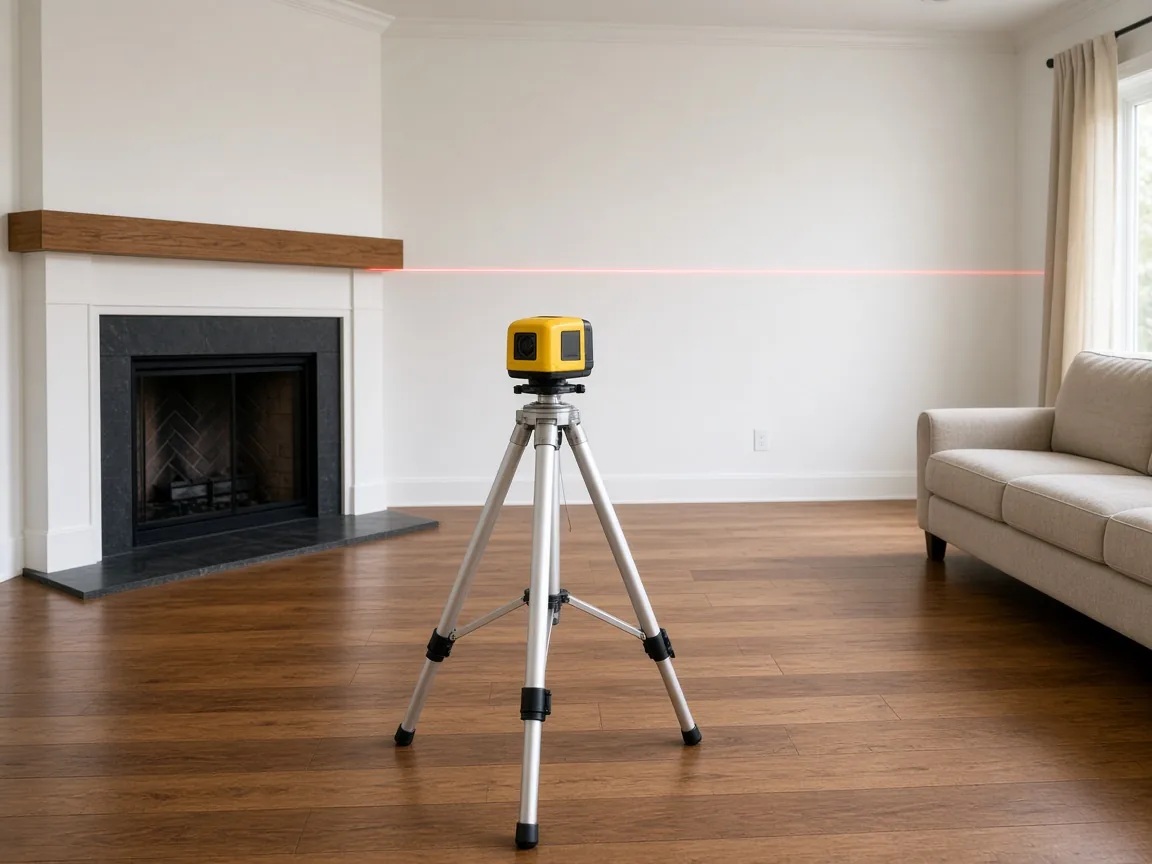
Piers are used to provide support to areas of a foundation that need stabilization. The right system should be selected based on the property's actual structural conditions. Learn more about Seguin foundation repair and how we help local homeowners.
Piers can provide additional support where a foundation needs stabilization as part of a larger repair plan.
Where settlement has affected a portion of a structure, a pier system may be considered as part of the corrective approach.
A properly planned pier installation can help support areas of a foundation where additional structural stability is needed.
| Service | Estimated Cost | Average |
|---|---|---|
| Foundation pier installation | Varies by project | No fixed average |
| Additional foundation support | Varies by project | No fixed average |
| Pier-based stabilization | Varies by project | No fixed average |
Pier installation pricing depends on the number and type of piers, structural requirements, access, soil conditions, and project scope.
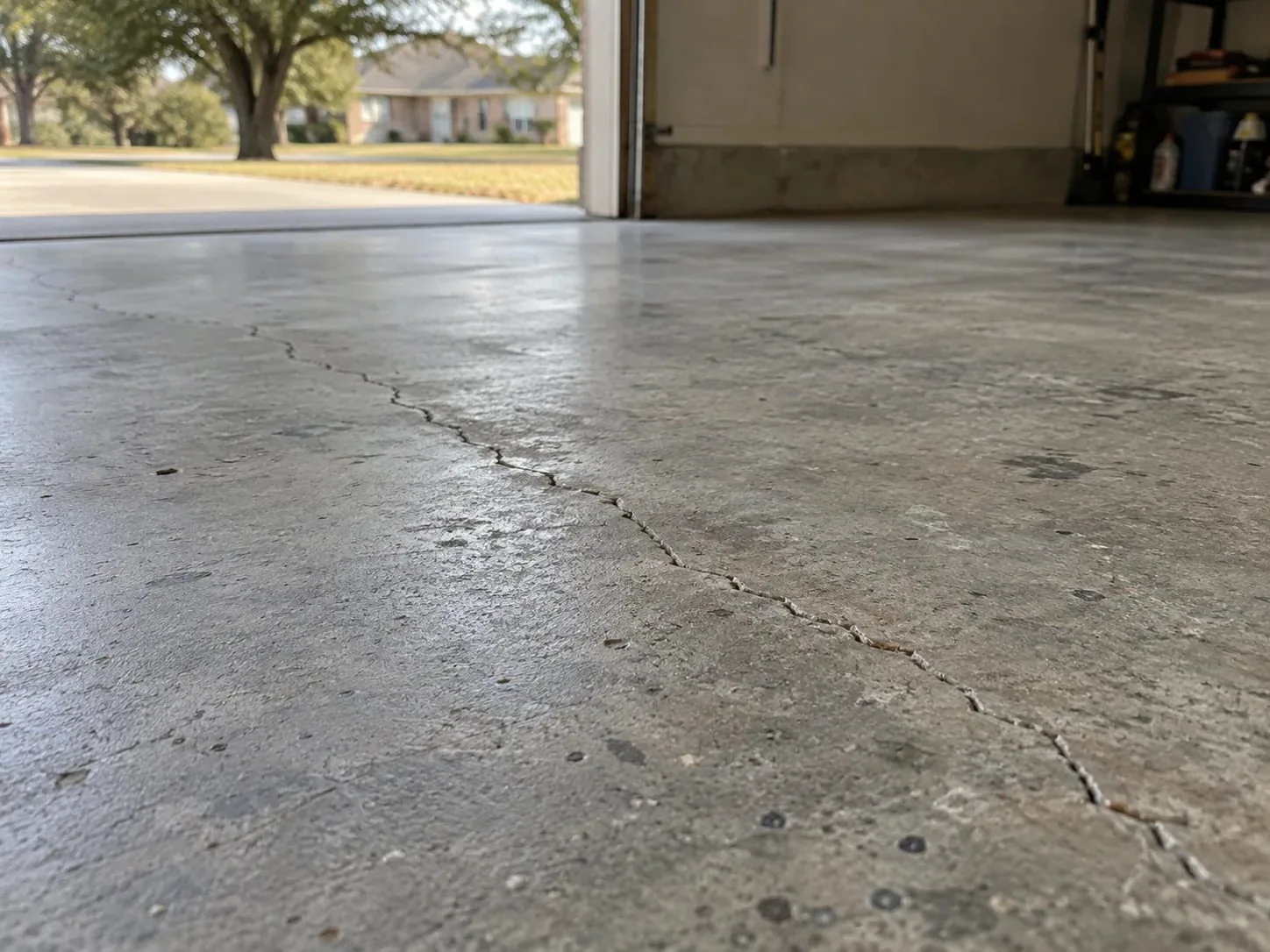
Pier systems should match the structural requirements of the home rather than being selected from a generic formula.
We explain where additional support is needed and what the proposed installation is intended to accomplish.
Our goal is to make a technical structural repair easier for homeowners to understand.
If your foundation may need additional support, contact us to discuss the condition and possible next steps.
Free — no obligations
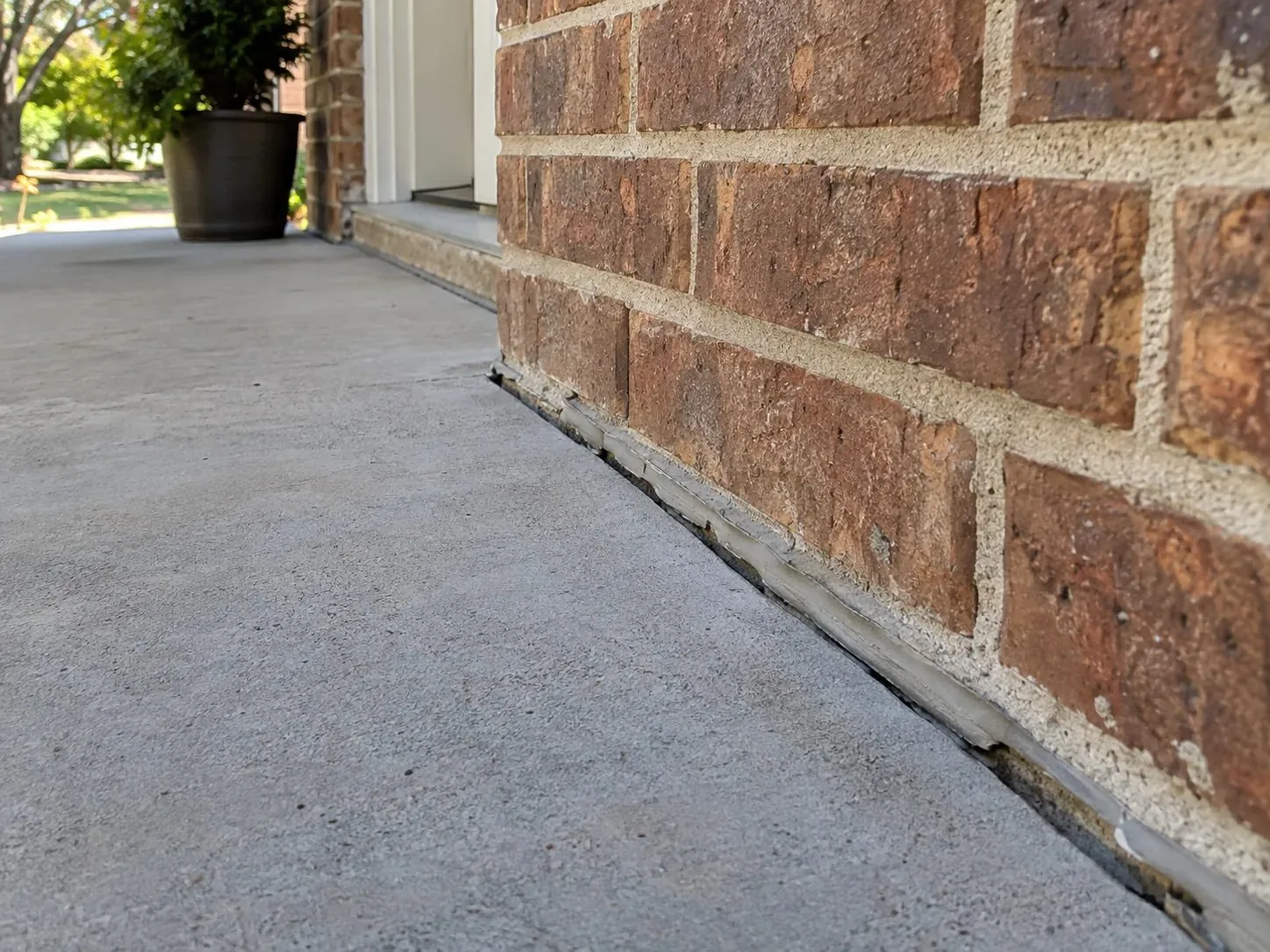
We discuss the symptoms and affected areas of the foundation.
The property's foundation and structural condition guide the pier installation plan.
We explain the recommended support approach and its purpose.
Once the scope is understood, we can discuss the practical next steps.
Foundation piers carry the weight of a structure down past the unstable surface soil to deeper, more stable support. When part of a foundation needs additional support or stabilization, pier installation is often a central part of the repair.
Piers are one of the most common tools in residential foundation repair because they deal directly with the problem many Central Texas homes face: soil near the surface that swells, shrinks, and shifts with the seasons. By supporting the foundation on piers, the weight of the home relies less on that changing upper layer of soil. Pier installation can be used to stabilize an area that is still moving, to support a section that has settled, and to provide the support needed for leveling.
Several pier systems are used in residential foundation repair, including pressed concrete piers, steel push piers, helical piers, and drilled concrete piers. Each has strengths and limitations depending on the soil, the weight of the structure, access around the home, and the kind of movement involved. There is no single best pier for every house. The right choice depends on the property, and we explain why a particular approach fits your home rather than recommending the same system for every job.
In general terms, pier installation involves accessing the foundation at the locations that need support, installing piers down to a suitable depth or resistance, and transferring the load of the foundation onto them. Where leveling is part of the plan, the foundation is then adjusted toward a more even elevation and secured. Afterward, the excavated areas are backfilled and the work area is cleaned up. The number of piers, their spacing, and their placement are determined by the structure and the extent of the problem.
More piers are not automatically better, and too few in the wrong place will not solve the problem. A pier plan should match where the foundation actually needs support. That is why we focus on understanding the pattern of movement before recommending how many piers a home may need and where they should go.
We explain where support is needed, what the installation is intended to accomplish, and what you can expect during the project. Learn more on our foundation pier installation page, or request a free estimate.