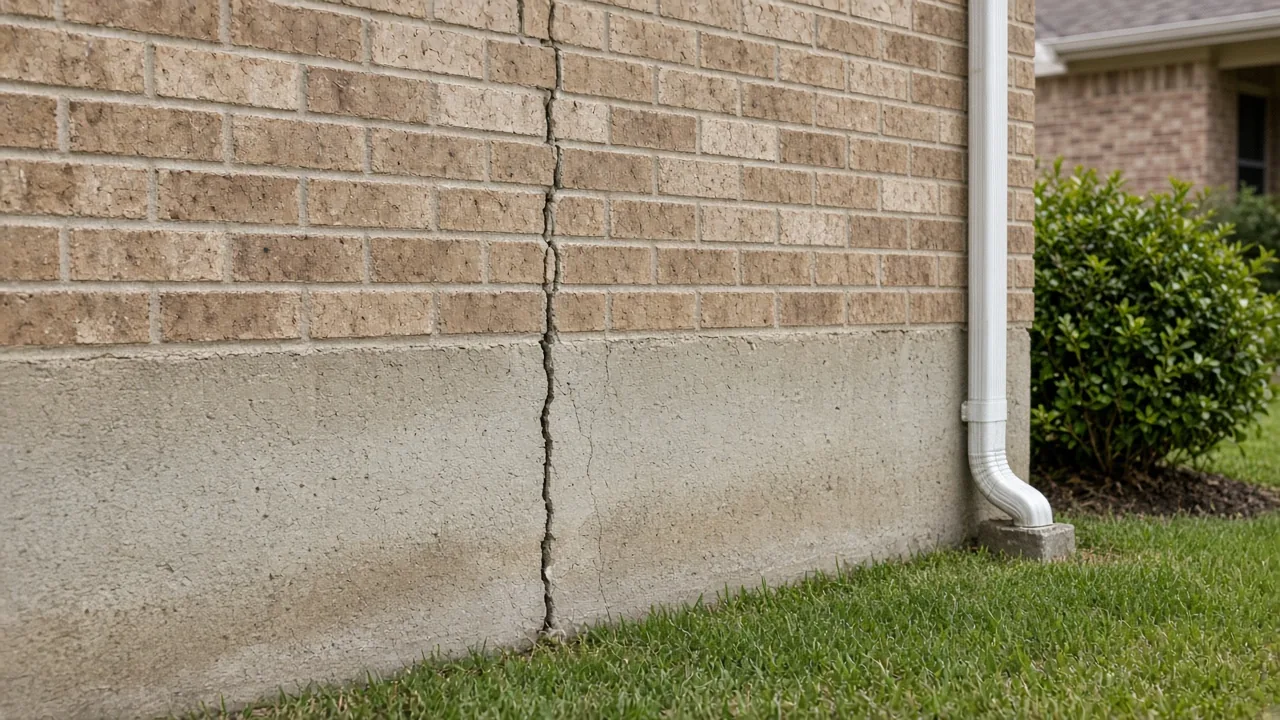
Pier And Beam Foundation Repair
Pier and Beam Foundation Repair
If your pier and beam home has shifted or feels uneven, let us help you understand why. Get a Free Estimate
Pier and beam homes have a different foundation structure than slab homes, so signs of movement need to be considered in the context of the support system. Uneven floors, shifting walls, sticking doors, and changes beneath the home can all be reasons to investigate.
We work with homeowners to understand pier and beam foundation concerns and identify practical repair needs. Our approach is centered on the structure, the support system, and the specific symptoms affecting the home.
Get a Free Estimate Learn more about Seguin foundation repair and how we help local homeowners.
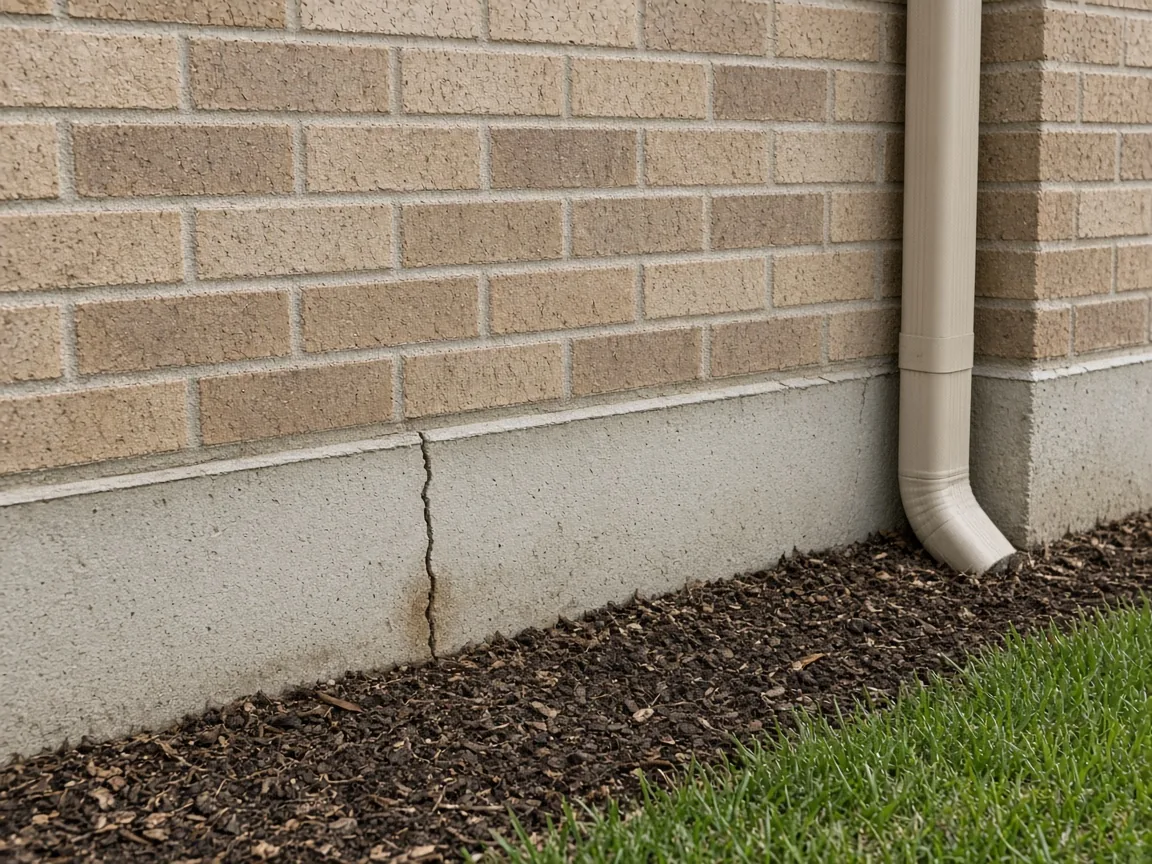
A pier and beam system depends on its supports and framing working together. Changes in one area can affect other parts of the home.
Uneven or sloping floors can indicate changes in the support system or foundation elevation.
Changes around individual supports can affect how weight is carried through the foundation system.
Movement may show up through doors, walls, floors, or other parts of the structure and should be considered as a whole.
| Service | Estimated Cost | Average |
|---|---|---|
| Pier and beam foundation repair | Varies by project | No fixed average |
| Pier support repair | Varies by project | No fixed average |
| Pier and beam leveling | Varies by project | No fixed average |
Pier and beam repair costs vary according to the support system, extent of movement, access, and scope of work. A project-specific evaluation is needed.
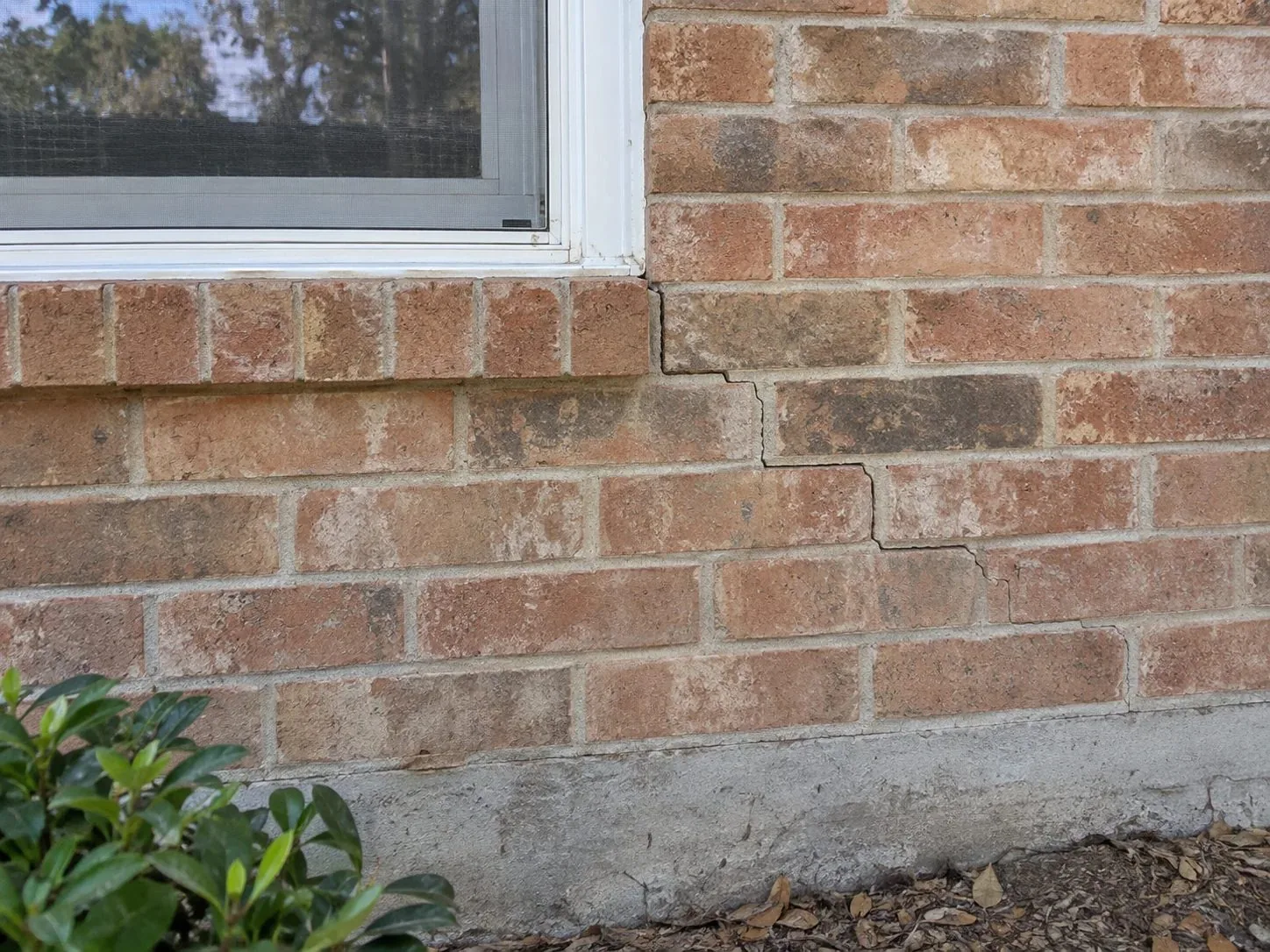
Pier and beam homes require a different approach from slab foundations, and we keep that distinction central to the repair discussion.
The foundation system and the home above it work together, so we consider the broader pattern of movement.
We explain structural concerns without burying homeowners in unnecessary technical language.
Pier and beam problems can be easier to address when changes are caught early. Tell us what you are noticing.
Free — no obligations
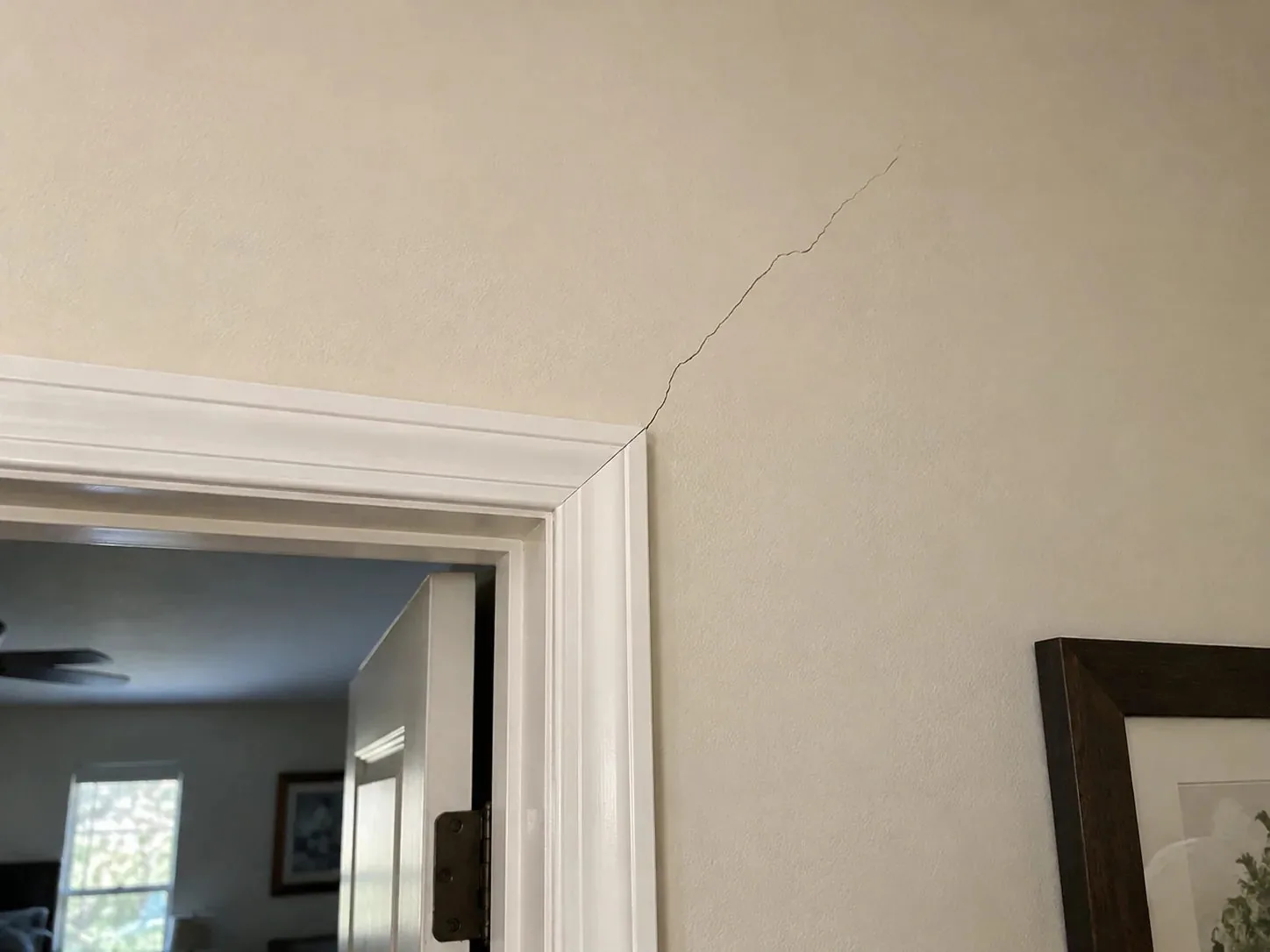
We start with the floors, walls, doors, and other symptoms you have noticed.
We focus on the pier and beam structure and the areas where movement or support concerns may exist.
We outline the proposed repair and what it is intended to correct.
After reviewing the repair approach, we can discuss the next step for the property.
Many older homes in Seguin and the surrounding communities are built on pier and beam foundations, with a crawl space under the floor. These homes move and show problems differently from slab homes, so they need a repair approach built around their support system.
A pier and beam foundation holds the house up on a series of piers or blocks that support beams, which in turn carry the floor joists and the floor above. Because the floor is raised and there is open space underneath, pier and beam homes can be easier to inspect and adjust than slabs in some respects. But they also have more individual parts, and when one of those parts shifts, sinks, or deteriorates, the floor above lets you know.
The same clay soil movement that affects slabs also affects the ground under individual piers. Moisture in the crawl space, poor ventilation, and drainage that directs water under the house can weaken wood components and soften the soil supporting the piers. Over time, original supports can settle unevenly, and previous repairs made with temporary shims or undersized supports may no longer hold the floor where it belongs.
Pier and beam repair focuses on restoring proper support to the floor system. Depending on what the evaluation finds, that can include re-shimming and adjusting existing supports, adding new supports where spacing is too wide, replacing failed piers, and addressing damaged beams or joists so the structure can be brought back toward level. Because each support affects its neighbors, the work is planned across the whole crawl space rather than one spot at a time.
A soft spot in the floor might be a support problem, a framing problem, or both. We look at the piers, beams, joists, and crawl space conditions together so the repair addresses the real cause instead of only lifting the low spot. Where moisture or ventilation is part of the problem, we will point that out too, because it affects how long the repair lasts.
If your home has a crawl space, a few things are worth noting before you reach out: standing water or damp soil under the house, a musty smell, supports that are leaning or cracked, and wood that looks dark, soft, or damaged. You do not need to crawl under the house yourself, but anything you have already noticed helps us understand the situation faster.
Pier and beam homes need a different conversation than slab homes, and we keep that distinction at the center of every recommendation. Read more on our pier and beam foundation repair page, or request a free estimate.